Joshua Teo (00:03): The Syntel Group consists of four businesses, Syntel, Optus, NCS, and N zero to together. We have close to 25,000 staff across Asia Pacific. We hire close to about 4,000 people every year. Well, in the past, a lot of the time was actually spent on the logistics, especially for the scheduling of interviews, last minute changes, looking at whether the CV fits the job. But with Paradox, the solution allows us to avoid all of that. After we implemented Paradox, the assistant would actually help candidates find an appropriate job, and it also applies a couple of screening checks to make sure that you are the right person for the job.
(01:10): Via Paradox, I would say that we have cut out about 75% of this processes and simplify the way we operate. Or if I were to sum up in a nutshell, what we really love about the Paradox solution, the fact that Paradox was able to help us screen the cvs, allows us to have a shorter or accurate list of cvs to review is about the increased efficiency, sort of 24 7 access for both the candidate as well as for the hiring manager, the function which allows paradox to remind people about the meetings so that there's no excuse for missing those meetings. And we are very proud to say that the fastest interview schedule was nine seconds. And last but not least, the rescheduling rate has fallen from 19% of our interviews to now 10% of all interviews. Once we implemented this solution, we were able to redeploy close to 10 staff to other areas that were more value adding. For example, a few of the team went to work in onboarding, several of them became experts in talent acquisition themselves, and they were very, very pleasantly surprised by their own growth, and we are very proud of them as well.
Jada Reese (00:06): Some of the things that attracted us to paradox is the possibility of having two-way communication with not just candidates, but with also our employees. So we're looking at paradox beyond what we initially thought we would use it for, and we think it can help us reach our desk-less employees much, much better than we do today. During COVID, we went through a phase like most companies where hiring was very difficult, and I will say our turnover went up probably by about 20%. The candidate experience is everything, and they simply weren't being communicated with, connected with, and that's why Paradox was so attractive. We will really be able to speed up our time to interview, our time to feel we'll, be able to speed up the quality of the candidate. Not only hiring, but being prepared to do the work. I know that we will get a higher quality, we will retain better, and we'll be able to move the needle on some of our financial metrics. Our sales will go up because we'll have the talent sitting in house ready to serve those customers.
Rachel Allen (00:04): Paradox is the first solution that we came to that really knew how to do high volume recruitment, and it's been a game changer for us. In order for our store managers to be able to do their own recruitment, it's imperative that we provide them the right tools and technology and empower them with the resources in order for them to do what they need to do overnight. We went from over 10 days on average time to hire to less than five days, so it was an over 50% decrease in time to hire immediately. I think the coolest part is that we were able to give back to our store leaders over 40,000 hours a week that they can dedicate to what they need to do for their stores and automate a lot of the hiring process
(01:27): When it feels like they're just texting with a person, it speeds up the process. It has increased our retention and conversion rate from applicant to hire. If we start asking things in a conversational way, I think it's our shattering in how we do the entire recruitment process. So not just for the candidate experience, but for the recruiters too. I think where Paradox was best for us was really that high volume solution. This was the first time I've come across something that was like, yes, they get it. That's it. And this is the first time we've actually been able to solve for that. It's been really neat.
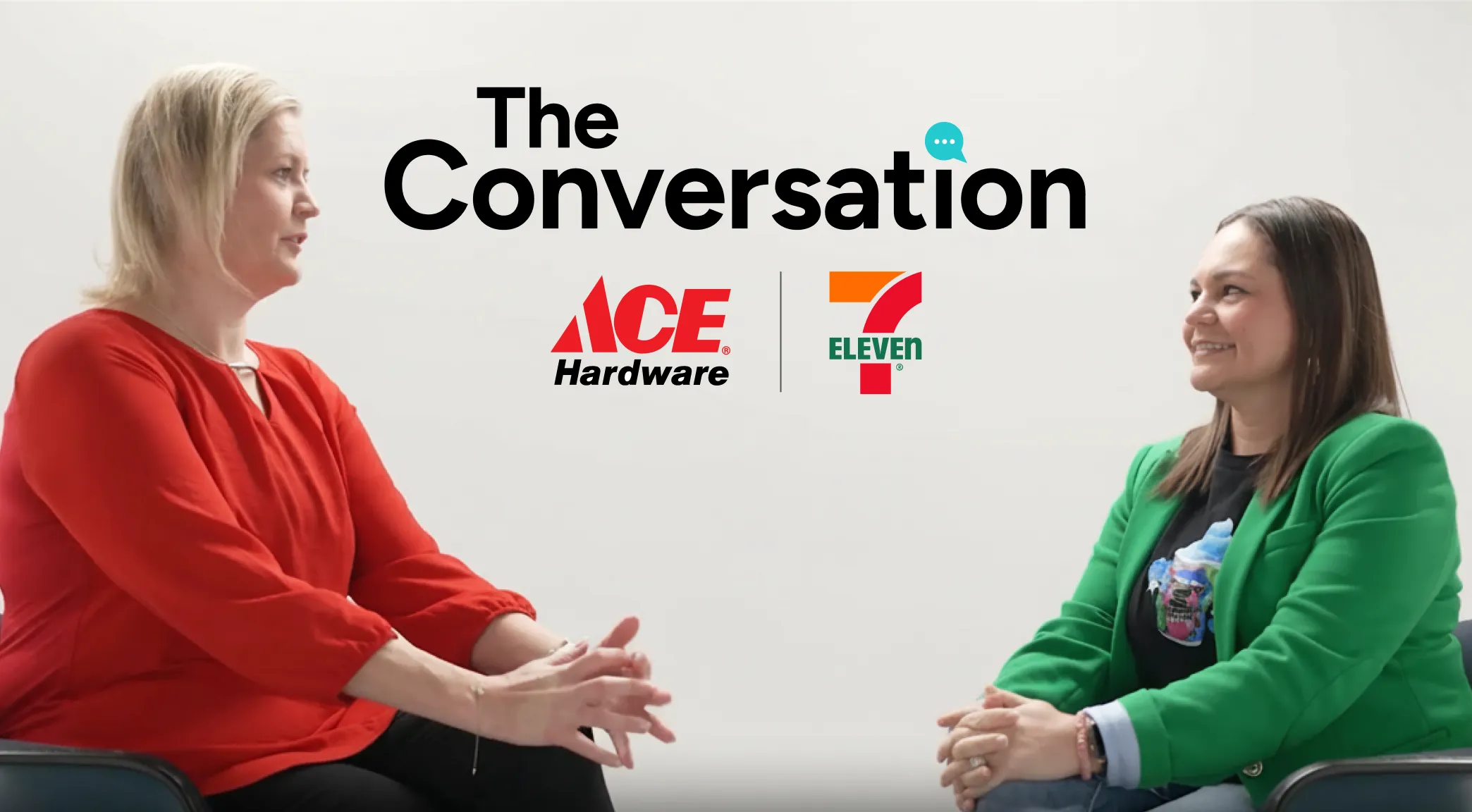
Stefanie Nikitas (00:18): Ace is known as the helpful place around the globe. Helpful is at the forefront of everything that we do. For us. It's not just something that we slap on a logo or that we put on our wall at the corporate office. It's something that is embodied into every single position across the company. We are finding ourselves in a situation where we went from regular seasonal peak. It's having to hire thousands of people in a very short period of time. The way we approached technology like Paradox was how would a recruiter think At the end of the day, we were trying to improve the candidate experience, and once recruiters understood that piece and they really got to play with it and see it in action, that's primarily when we started to get the buy-in. Less than even 24 hours, they scheduled over 200 interviews. From an administrative standpoint, there's several hours a week.
(01:02): They don't have to spend hunting down candidates. We want technology to be there to not burden, but to help. If we send out a request for an interview, it's a text message. They can be anywhere, anytime, not even in this country, in this time zone, and they can pick the time that works best for them. Every day is different, but what I love most is the interaction with people and technology. And for us it's how do I help a customer? How do I help a candidate at the end of the day? And that's honestly at the forefront of everything that I do.
Shay Johnson (00:03): I don't see Paradox as a product. I don't see it as a technology vendor. I don't see it as any of those things. It's really just they're a partner. We go to Paradox because we just feel like they get it.
Rebecca Volpano (00:14): I'd like to think of it as an extension of a recruiter super powering our teams and giving us the ability to spend more time with people.
Shay Johnson (00:35): Paradox is different because it's extremely efficient. It allows us to talk to our potential candidates in a faster and friendly way. We think we've saved about 35,000 hours getting interviews scheduled.
Seema Shah (00:52): We have answered over 190,000 questions from our candidates for them to be able to respond and let us know that they're interested in working for us. This is where the value is.
Craig Gjelsten (01:11): It was previously taking our franchise owners on average, about five days to schedule an interview, and now on average across the brands, we're scheduling interviews in under nine minutes.
Carla Delich (01:24): The speed to scheduling with Paradox has absolutely been a game changer. It's taken off about three to four hours a week so that they are able to put that back into just running their business. The biggest impact that Paradox has had.
Rebecca Volpano (01:40): On our candidate experience has actually been decreasing the time to apply. We've seen a cut of basically a half of the amount of time that it would take someone to fill out our application. Usually through the more conversational AI application, automating what can be automated, giving us nudges and reminders to do certain things in certain ways, and all providing more opportunity for us to build genuine human connection.
Mark Gibson (00:16): The challenges in the high volume hiring in the restaurant industry are managers are trying to run restaurants, and the last thing on their mind is how they're going to take time out of their day to schedule interviews with candidates.
Carla Delich (00:29): Prior to Paradox, we were looking at our data. It was taking our managers in our restaurants at least three days just to view an application.
Mark Gibson (00:39): The light bulb moment for me was the first text message that I got that said, hi, this is Frankie from Flynn Group. Here are our next steps. It immediately changed the entire experience so rapidly for me, and it was the first time that I experienced something like that in this space.
Carla Delich (00:56): The speed to scheduling with Paradox has absolutely been a game changer, not only from just getting people in the door faster, but it's also saving our managers three to four hours a week. The ability to have it completely automated from the point of application to being able to schedule that interview all the way down to the offer and the onboarding. Since we've been on Paradox, we're seeing applicants from the point of application to interview complete. It's happening in less than three days.
Mark Gibson (01:29): With the conversational a TS, you feel like you are just having a conversation with a person on the other side. I don't think I could go back without having a negative experience in something that is kind of old school and is not using the conversational a TS.
Mary Battle Broxton (00:15): We are a lifestyle retailer in the farm, ranch, and welding space. Oftentimes, we are in more rural markets. We're expanding fast and opening up a lot of stores in places that we haven't before. The biggest impact that Paradox has had on our candidate experience has actually been decreasing. The time to apply text, to apply, takes our application, puts it right on a candidate's phone. It creates a conversation for them. Instead of a daunting form, they get to receive texts in real time and updates as well on their process and their candidate journey. The light bulb moment for me was when we started to get anecdotal feedback from candidates who really got a chance to feel like they belong to our organization already, like they were a part of the team. The workload on TA teams has been impacted by getting to converse with candidates that are more aware of our brand, armed with the information that they want and need. It makes it less transactional and more personal. We're able to really get to know our candidates in a way that we wouldn't have been able to before.
Joanne Roth (00:05): I am really proud to say that we were one of the first to sign up to Paradox events in July, 2020. We held our first virtual job fair. A lot of my colleagues experienced no-show problems, so what we did was we created a different type of event, still using the paradox technology. So we were able to do that really drastically cut our no-show rate more than half. It was faster, quicker, easy, and it really got us all done and less costly for us as an employer as well.