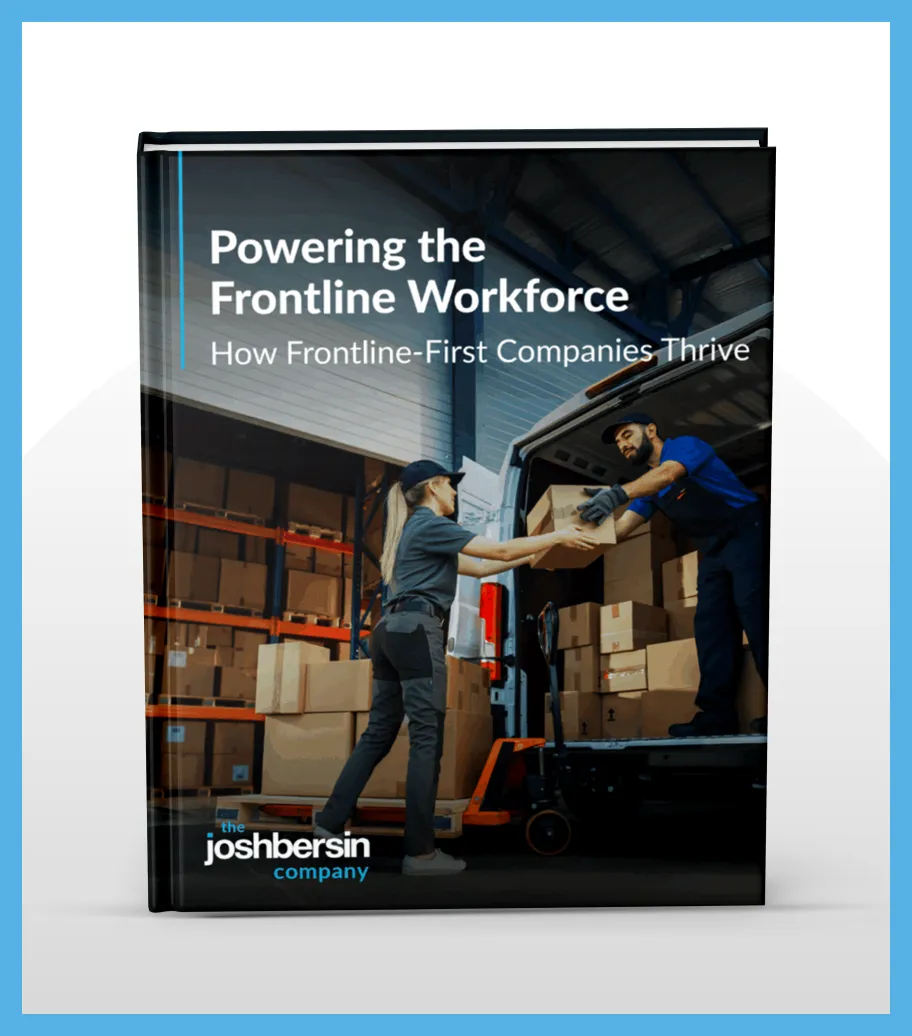




The frontline workforce accounts for over 70% of jobs in the United States, yet deskless employees are often an afterthought in TA strategies. Not anymore.
In this issue of The Conversation, I sat down with Josh Bersin to talk about the importance of frontline hiring, and how to get quality candidates through your pipeline quickly.
You’ve done a lot of research on the frontline hiring experience and its impact on business and revenue. Can you tell us a little bit about your new report? Why research it and release it now?
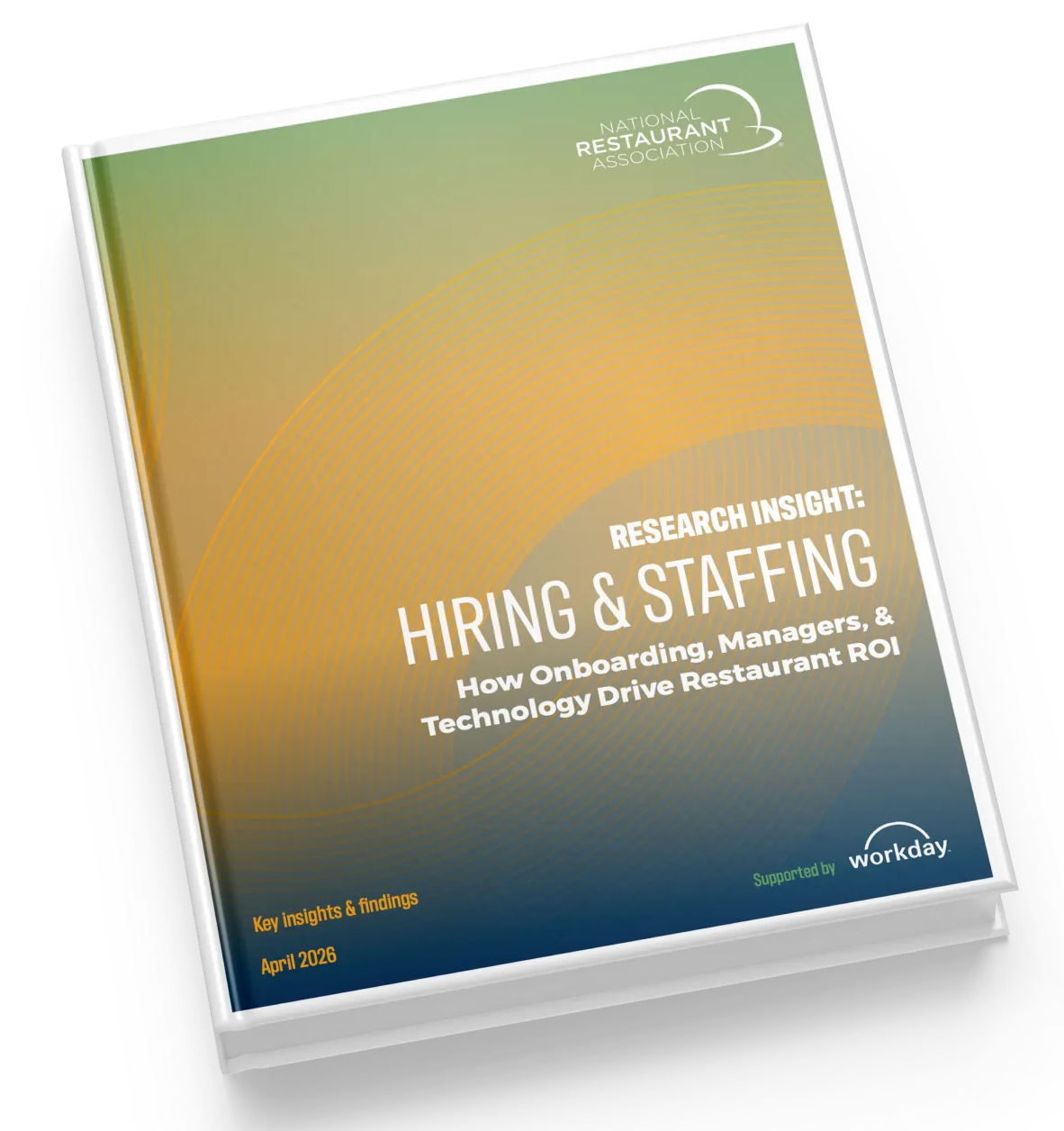
Josh Bersin: Seventy percent of the jobs in the United States are frontline. If you include every country in the world, that number nears 80%. The frontline workforce is a much bigger population of people than the rarefied sales, marketing, and software engineering types HR professionals tend to focus on. And that same frontline workforce is the face of your company. Every single frontline employee has a massive amount of impact on the brand and on customers’ interest in doing more business with you.

Whereas most of us working in corporate roles — maybe we're somehow influential on the revenue — but we’re not as influential on the quality of the product or the service. Frontline workers know what's broken and what's working. They know the ins and outs of the company because they see it every day. And even though they might statistically have high turnover, or even though they’re paid a little bit less, they are incredibly important. So we wanted to make sure that people in HR understand the complexities of the frontline workforce, and the benefits of investing in this part of the hiring operation.
So let’s break frontline hiring down. What’s the importance of hiring quickly in the frontline space? Why do we need to be fast?
JB: Well first let’s back up and start here: The traditional approach to hiring frontline roles is very slow. Get a bunch of candidates, screen a bunch of people, schedule a bunch of interviews, do a bunch of interviews, talk about the interviews, go back and look at who you talked to again — meanwhile the candidate's twiddling their thumbs, wondering what's going to happen. That just doesn't work anymore. Candidates for these kinds of jobs don't wait weeks to get hired. They want to get on with their life, so they find another job the next day, and your company loses them and you have to start over. There’s a brand value to that too. If you can get back to a candidate quickly and either make them an offer or not, that's actually a great experience for them. The worst thing that can happen is somebody gets dropped as a candidate and then they decide they were treated so poorly that they're never going to do business with that company again. Being fast actually saves customers.

Then you get to the actual revenue aspect of everything. It's obvious when you think about it. You're running a restaurant; you're running a retail organization; a trucking firm; a shipping company; a hospital. The volume of business you can do is limited by the quality and number and skills of the people you have. And if you're understaffed or you have a high turnover or people are undertrained because it's taking too long to hire people, you're just underperforming as a business. Look, in most of the HR things that I get involved in, there is no direct connection to revenue. In hiring for frontline, there's a direct connection between speed and revenue.
Understaffing and turnover absolutely correlate with business results. On that note, how do you think about getting quality candidates to apply for open roles? How do you find the right fits?
JB: Well, if it's a skilled job, there’s obviously necessary qualifications a candidate needs to have. But from an employer perspective, especially for jobs that are manual labor-intensive or operationally difficult, you have to be extremely honest about what the job really is. Or else you risk somebody coming and saying, “Woah this is a lot harder than I thought. I’m out of here.” That’s just such a waste of money for everybody. If you’re honest about what a difficult job is going to be like, some people are going to get a kick out of that and select into it. Others are going to say, “I don’t want to do that.” And that way, you’re not wasting resources training people that are going to quit anyways. So that’s number one.
Secondly, throughout my career I’ve seen that it doesn’t matter whether a candidate has done the job before or not. What matters is their interest in learning and their desire to do the job well. Most jobs are going to require training. The first minute a new hire shows up, they're not going to know how to do the job until they've learned from the manager how this particular operation works. So I think a lot of successful hires are made when you find people that have passion and ambition and interest and flexibility to learn what this business is about because they like it and they really want to do it.

AI is here whether we like it or not, so as long as we put the correct guardrails around it in terms of development across the organization, we’ll be in a better spot.
I wanted to talk about quality-of-hire with you as well because sometimes we think the faster we go the lower candidate quality we get. But you mentioned that maybe being faster is actually better for quality. Can you elaborate on that?
JB: Yeah. I haven't applied for a job for a long time, but I know a lot about it. Probably the worst candidate experience is when you spend all this time filling out a bunch of forms to apply and then hear nothing for days. Maybe you get an email. Maybe you never hear back again. Highly-skilled candidates aren’t going to sit through that. They're very capable of looking for a job somewhere else, and probably finding one too. So you're going to lose them. If you've gone slowly, your quality-of-hire just went down. But if you engineer a high-speed hiring process, you’re going to force yourself to build a really quality candidate experience because you’ll build a screening process that's made to be finished quickly. You're going to end up doing a very good job of soul searching about what the perfect candidate looks like. Because you’ll have to refine your screening down to something that brings the right people in and lets everyone else select out quickly. You're going to make the process more precise by focusing on speed.
We had pretty big news on the Paradox front over the last several weeks with Workday acquiring us. I was curious about your take on that.
JB: Well, I think it's great. I know you guys are excited about it, and you've been partners with Workday for a long time. Really, you all pioneered the effective use of AI before everyone else knew it was coming, back when it was still called NLP. So Workday gets all your expertise in that. In fact, I don’t think Workday realizes the value of what they got. They probably should have paid more for you guys, although I don't know what the number was. But I just think this is an opportunity for you and Workday to really thrive together in this frontline worker segment. Paradox has some gigantic customers that have major revenue dependencies on the frontline hiring process, each with a slightly different set of issues and cultural standards for how they want to hire. And your ability to uniquely tailor your solution for each company is very, very important.